
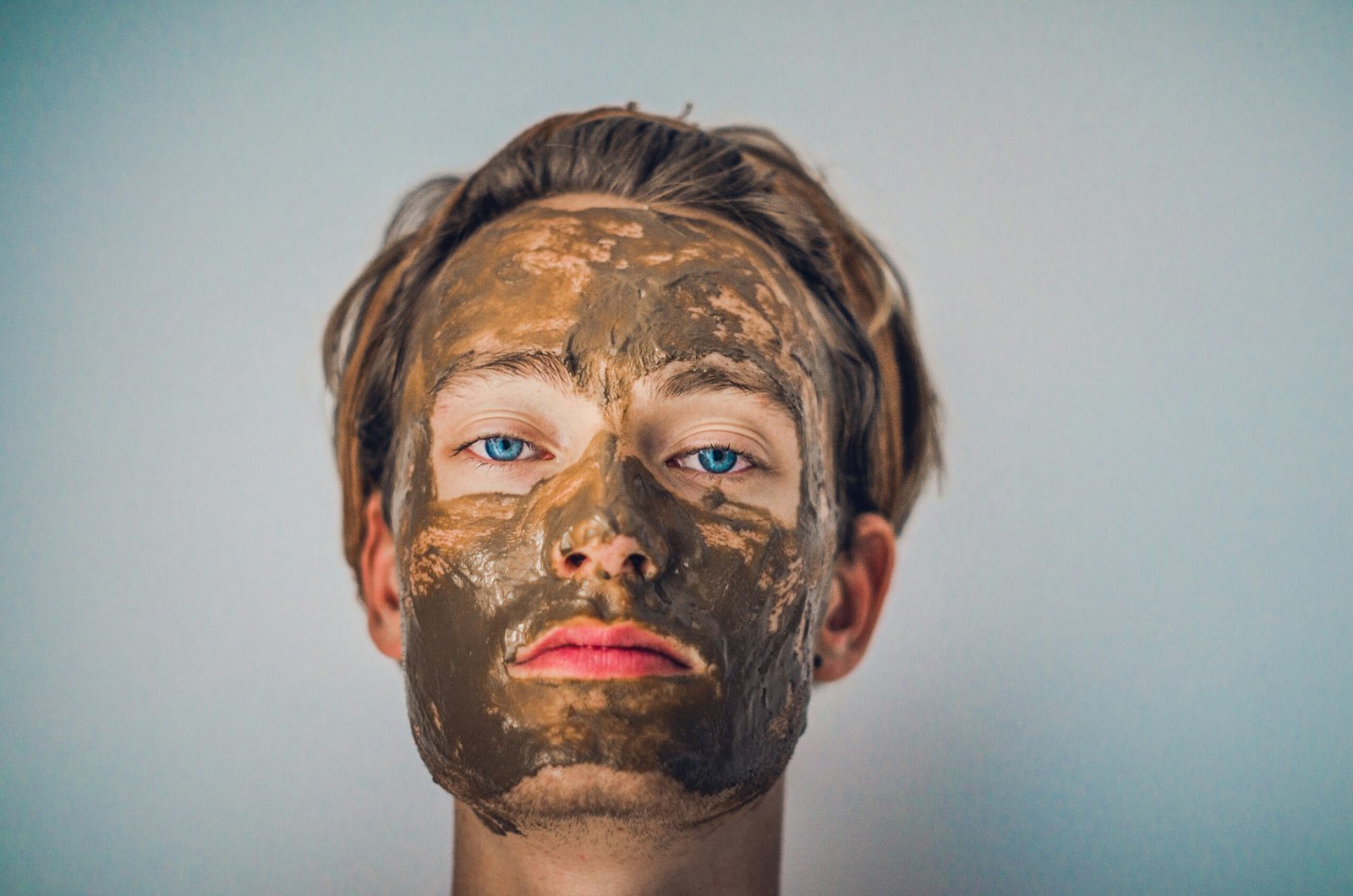
Look, I love a good face mask moment, but spending £15 on something I’ll use once and throw away? Not really in the budget. The good news is that some of the best DIY face masks are literally sitting in your kitchen right now, and they actually work. I’ve tried a bunch of these recipes and I’m going to tell you which ones are worth your time and which ones are just messy for no reason.
Why DIY Face Masks Are Worth Trying
The best DIY face masks are great because you know exactly what’s going into them—no weird chemicals or ingredients you can’t pronounce. Plus, they’re way cheaper than store-bought masks, and you can customize them based on what your skin actually needs. Some weeks I need hydration, other weeks I need something to calm down breakouts, and it’s nice to just make whatever I need in the moment.
That said, DIY masks aren’t magic. They’re not going to cure serious acne or fix major skin problems. But for general maintenance, giving yourself a bit of extra care, or dealing with minor issues, they’re honestly pretty effective.
Best DIY Face Masks for Different Skin Types
Here are the recipes that actually work, organized by what they’re good for.
For Oily/Acne-Prone Skin: Honey and Cinnamon Mask
This is one of the best DIY face masks for breakouts because both ingredients naturally fight bacteria. Mix 2 tablespoons of raw honey with 1 teaspoon of cinnamon powder until you get a paste. Apply it to your face (avoiding your eyes) and leave it on for 10-15 minutes, then rinse with warm water.
The honey is antibacterial and super soothing, while cinnamon helps reduce inflammation. Fair warning: the cinnamon might tingle a bit, which is normal, but if it actually hurts, wash it off immediately. Also, do a patch test first because some people’s skin doesn’t like cinnamon.
For Dry Skin: Avocado and Honey Mask
If your skin feels tight and dry, this mask is incredible. Mash half a ripe avocado with 1 tablespoon of honey until it’s smooth. Apply a thick layer to your face, leave it for 15-20 minutes, then rinse off.
Avocado is packed with healthy fats that hydrate your skin, and the honey locks in moisture. Your skin will feel so soft afterward. This is definitely one of the best DIY face masks for winter when everything feels dry and uncomfortable.
For Dull Skin: Yogurt and Turmeric Mask
This mask brightens your skin and gives you that healthy glow. Mix 2 tablespoons of plain yogurt with a tiny pinch of turmeric powder (seriously, like a quarter teaspoon max because turmeric stains). Apply it to your face for 10-15 minutes, then rinse thoroughly.
The lactic acid in yogurt gently exfoliates, and turmeric reduces redness and brightens your complexion. Just be careful with the turmeric amount—too much and you’ll temporarily look a bit yellow. Also, use an old towel because this stuff stains.
For Irritated Skin: Oatmeal and Milk Mask
When your skin is freaking out—red, irritated, maybe from too much sun or a new product that didn’t agree with you—this is one of the best DIY face masks for calming everything down. Grind 2 tablespoons of oatmeal into a powder, mix with enough milk to make a paste, and apply for 15 minutes.
Oatmeal is incredibly soothing and anti-inflammatory, and milk gently hydrates without irritating sensitive skin. This mask is super gentle and perfect for when your skin just needs a break from everything.
For All Skin Types: Banana and Honey Mask
This is probably the simplest and most universally good mask. Mash half a ripe banana with 1 tablespoon of honey, apply for 15 minutes, then rinse. Bananas have vitamins and potassium that are good for basically everyone’s skin, and honey never goes wrong.
It’s hydrating without being too heavy, gentle enough for sensitive skin, but still effective. When I don’t know what my skin needs or I’m just doing a mask for fun, this is my go-to.
Important Tips for DIY Face Masks
Before you start mixing ingredients, here’s what you need to know about using the best DIY face masks safely:
Always do a patch test first. Put a tiny bit of the mask on your inner wrist or behind your ear and wait 24 hours. If you get red or itchy, don’t put it on your face.
Use fresh ingredients. Don’t make a big batch and save it—these masks don’t have preservatives, so they go bad quickly. Make only what you’ll use that day.
Keep them away from your eyes. None of these belong near your eye area. If you get something in your eye, rinse it out immediately with water.
Don’t leave them on too long. More time doesn’t equal better results. Stick to the recommended times or your skin might get irritated.
Follow up with moisturizer. After you rinse off your mask, apply your regular moisturizer while your skin is still slightly damp to lock in hydration.
What Not to Use
Some ingredients people recommend for DIY masks are actually kind of terrible for your skin. Skip anything with lemon juice (too acidic and can cause sun sensitivity), baking soda (way too harsh), or sugar scrubs mixed into masks (too abrasive). The best DIY face masks use gentle, skin-friendly ingredients that aren’t going to cause more problems than they solve.
The Bottom Line
The best DIY face masks are simple, use ingredients you probably already have, and actually make your skin feel good. You don’t need complicated recipes with ten ingredients—some of the most effective masks are literally just two or three things mixed together. Start with one that matches your skin type, use it once a week, and see how your skin responds. And remember, consistency with your regular skincare routine matters way more than any single face mask, but they’re still a nice extra treat for your skin.